
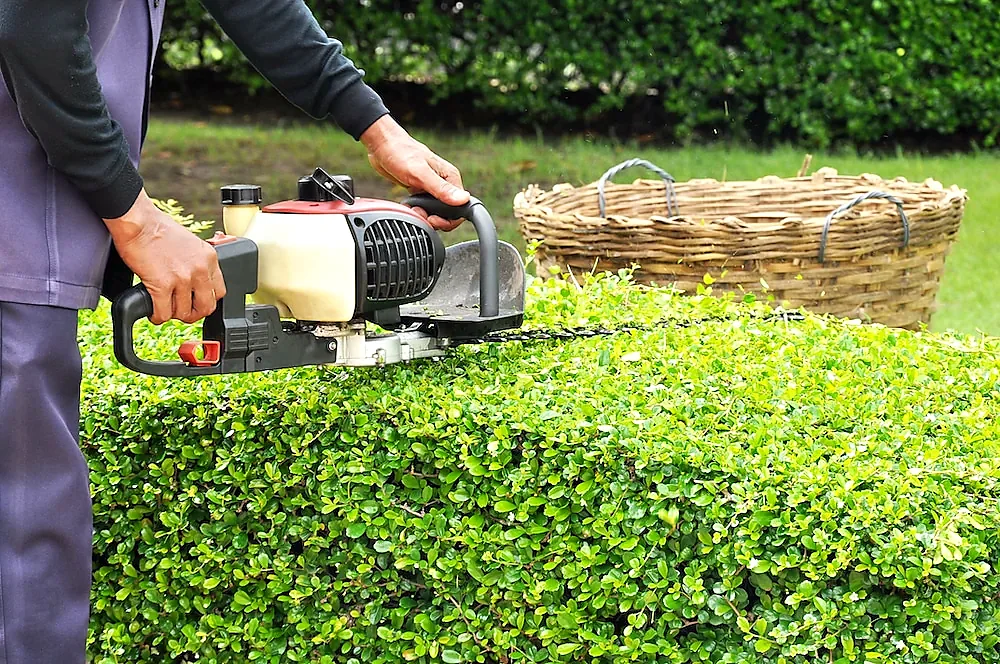
Know why you are pruning before you start
Shearing for a clean outline is different from thinning crowded stems, removing dead wood or reducing an overgrown shrub. Decide on the objective first so the cuts support the plant instead of simply making it smaller.
Flowering time can tell you where the buds are
Many spring-flowering shrubs carry flower buds on wood formed the previous season, so heavy pruning in late winter can remove the display. Many summer-flowering shrubs bloom on current-season growth and can tolerate more early-season pruning. Species identification comes first.
Cedars should not be cut hard into bare old wood
Formal cedar hedges respond well to regular light trimming that keeps growth dense. Cutting deeply beyond the green foliage into old brown interior wood can leave areas that recover slowly or not at all. Staying ahead of size is easier than trying to shrink an old hedge dramatically.
Boxwoods reward frequent, thoughtful shaping
Boxwoods can be maintained tightly, but repeated outer shearing can create a dense shell with poor air movement inside. Periodic selective thinning helps light and air reach the interior and makes it easier to inspect for disease or insects.
Avoid major pruning just before winter
Heavy late-season pruning can remove protective growth or stimulate tender new shoots on some plants. Dead, broken or hazardous material can be addressed when necessary, but substantial rejuvenation is usually better timed to the species and growing season.
Rejuvenation pruning is not the same as trimming
An old, leggy shrub may need selected older stems removed over time rather than the entire outside clipped shorter. Some shrubs tolerate aggressive renewal; others do not. Know the plant before using a saw.
Use clean tools and stop if disease is suspected
Sharp clean tools make better cuts. If a shrub shows unusual spotting, dieback or rapid defoliation, do not move from plant to plant without considering sanitation and diagnosis.
The best hedge program avoids emergency corrections
Regular seasonal maintenance keeps hedges within their intended size and shape so each visit is a refinement, not a rescue. That is better for the plant and usually better looking.